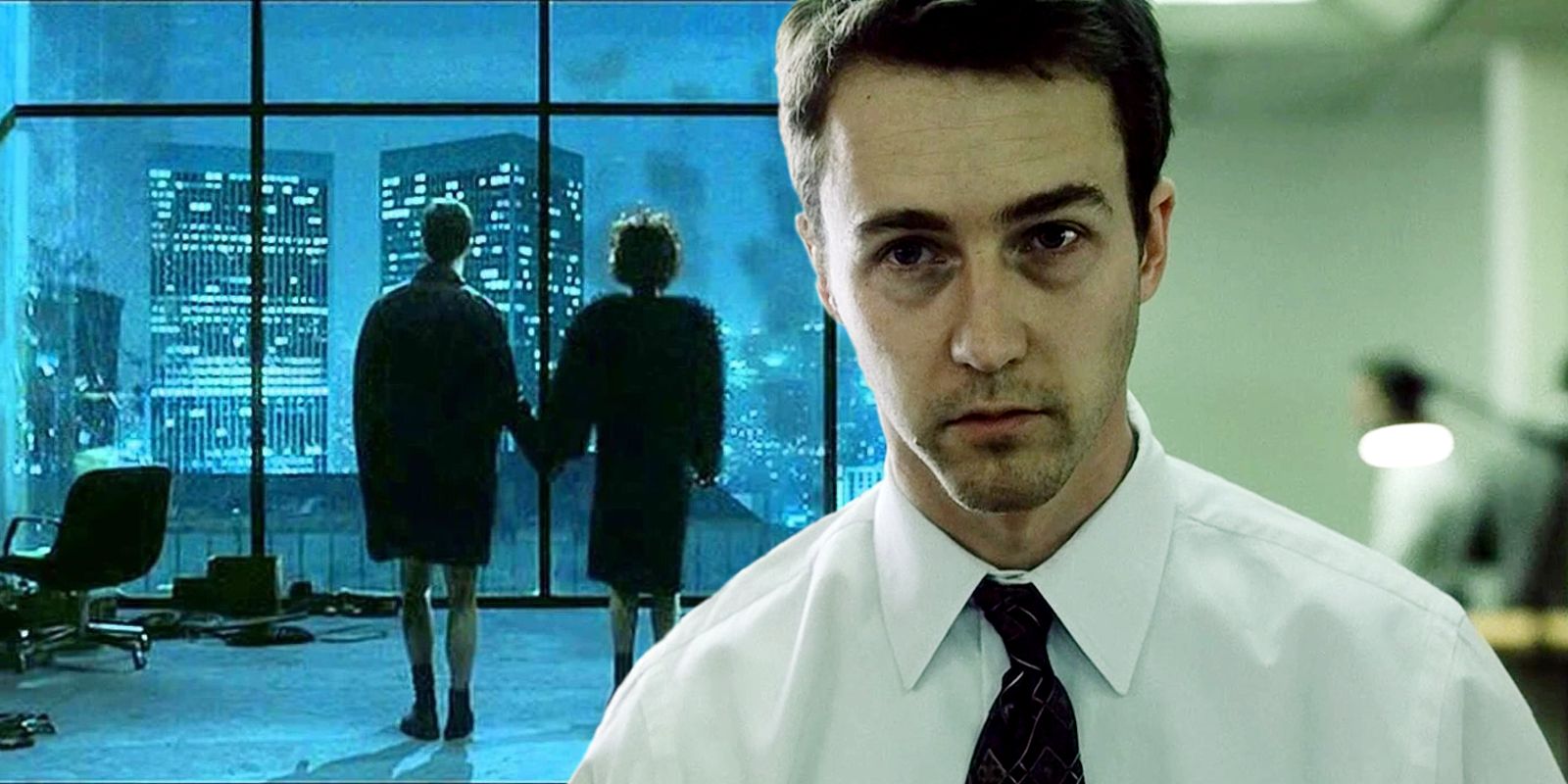
It starts as a low mumble. Then it builds. Before you know it, a room full of men in soap-stained shirts is screaming a single sentence over and over again until the rhythm takes over your pulse. His name was Robert Paulsen. If you’ve seen David Fincher’s 1999 masterpiece Fight Club, or read Chuck Palahniuk’s gritty 1996 novel, you know exactly how that moment feels. It’s uncomfortable. It’s cultish. Honestly, it’s kinda terrifying when you think about the psychology behind it.
Most people remember the first rule. You know, the one about not talking about the club. But the "Robert Paulsen" scene is where the movie shifts from a story about bored guys hitting each other into something much darker: a commentary on how easily we trade our individuality for a sense of belonging.
Meat Loaf, the legendary rocker who played the role of Robert "Big Bob" Paulsen, gave us a performance that wasn't just about comic relief or "bitch tits." He represented the soul of the movement. When he dies during a botched sabotage mission for Project Mayhem, the Narrator (Edward Norton) tries to treat it like a tragedy. But the "Space Monkeys" treat it like a mantra.
The Philosophy Behind the Name
Why do they say it? Basically, Project Mayhem functions on the destruction of the self. "You are not a beautiful or unique snowflake," Tyler Durden famously says. In the world of Project Mayhem, the members have no names. They are cogs. They are "Short-Order Cook" or "Mechanic." They are nothing.
Then Bob dies.
When the Narrator insists, "This is a man, and he has a name, and it's Robert Paulsen," he’s trying to reclaim humanity from the machine Tyler built. But the cult flips it. They turn the name into a collective chant. By saying "His name was Robert Paulsen," they aren't honoring a person; they are validating a martyr. In death, a member finally earns a name, but only as part of the group's mythology. It’s a paradox that makes your head spin if you think about it too long.
Why Meat Loaf Was the Perfect Robert Paulsen
Let’s talk about the casting for a second because it was brilliant. Meat Loaf wasn't just a singer; he was an actor who thrived on melodrama. To play a former bodybuilder who developed "bitch tits" (gynecomastia) after using steroids and then lost his family and his dignity to testicular cancer—that requires a specific kind of vulnerability.
Meat Loaf actually wore a fat suit filled with birdseed to give the character that heavy, sagging appearance. It weighed about 40 pounds. He once mentioned in an interview that the suit was incredibly hot and physically demanding, but it helped him find the sadness in Bob. When the Narrator hugs him, he’s literally sinking into the wreckage of traditional masculinity.
- Fact check: Contrary to some internet rumors, the "bitch tits" weren't CGI. It was all practical effects and costuming.
- The character of Bob represents the "discarded man" of the late 20th century—someone who followed the rules, did the gym thing, did the career thing, and still ended up alone and broken.
The Cultural Ripple Effect: From Cinema to Memes
It’s weird how a line about a dead guy with a birdseed suit became a staple of the internet. You see it on Reddit threads. You see it in Twitter (X) replies whenever a minor character in a show dies. People comment "His name was Robert Paulsen" as a way of acknowledging a shared cultural brotherhood.
But there’s a darker side to it. The phrase has been co-opted by various "manosphere" groups and online subcultures that miss the point of Palahniuk’s satire. They see Tyler Durden as a hero rather than a cautionary tale. When they use the Robert Paulsen line, they sometimes lean into the very nihilism that the movie was trying to critique. It’s the classic "Starship Troopers" problem: if you make the satire look too cool, people will start unironically joining the fascists.
Fincher knew this. He filmed the scene with a cold, sterile aesthetic. The way the Space Monkeys repeat the line isn't supposed to be inspiring. It’s supposed to sound like a drone. It's the sound of a hive mind.
Exploring the Differences Between the Book and Movie
In Palahniuk’s book, the tone is even bleaker. The novel focuses heavily on the idea that the Narrator is losing control of the monster he created. In the book, the "His name was Robert Paulsen" chant feels more like a glitch in the system.
Interestingly, the movie actually gives Bob more "screen time" in the afterlife than the book does. In the film, his death is the turning point where the Narrator realizes that Tyler is a domestic terrorist, not just a lifestyle coach. In the book, the realization is more internal and psychological. Both versions hit hard, but Meat Loaf’s physical presence in the movie makes the "Robert Paulsen" chant feel much more personal. You remember his sweaty face. You remember his crying. It’s hard to turn a human being into a slogan when you’ve seen them weep.
What Most People Get Wrong About Project Mayhem
Honestly, the biggest misconception is that the chant is a sign of respect. It’s actually the opposite. In the context of Tyler Durden’s rules, you only get a name when you are dead. Therefore, the goal of the members is to die for the cause.
If you’re alive, you’re garbage. If you’re dead, you’re a legend.
This is the exact logic used by real-world cults and extremist groups. It’s the "martyrdom" trap. By giving Bob a name, Tyler isn't being kind; he’s providing an incentive for the other members to go on suicide missions. He’s telling them, "If you blow up a building and die, we will finally acknowledge you existed." It’s a bait-and-switch that the Narrator sees through far too late.
The Legacy of the Scene in 2026
Looking back from today's perspective, Fight Club feels like a time capsule of 90s angst, but the "Robert Paulsen" moment feels more relevant than ever. We live in an era of "stanning" and online mobs. We see people lose their identities to political movements or digital tribes every single day.
We are all constantly searching for a "name." We want to be seen. We want to matter. The tragedy of Robert Paulsen is that he only mattered to his "brothers" once he was a corpse in a bag.
Actionable Insights for Fans and Analysts
If you are revisiting Fight Club or studying it for a film class, don't just look at the explosions. Look at the faces of the men in the background during the Robert Paulsen chant.
- Watch the background actors: Fincher directed them to look blank, not angry. They aren't mourning; they are performing a ritual.
- Listen to the sound design: The chant is layered. It starts with one voice and becomes a wall of sound. This is a classic propaganda technique to make an individual feel small.
- Compare the hug scenes: Compare the scene where Bob hugs the Narrator at the support group to the scene where the Narrator tries to stop the Space Monkeys from chanting. In the first, the hug is about healing. In the second, the chant is a weapon used against the Narrator’s logic.
The best way to honor the "real" Robert Paulsen—the fictional character who just wanted to be loved—is to recognize the danger of the groupthink that consumed him. The movie isn't telling you to join a club. It’s telling you that the moment you find yourself chanting a name in a dark basement, you’ve probably already lost yourself.
Next time you hear someone shout "His name was Robert Paulsen," remember the birdseed suit. Remember the "bitch tits." Remember that before he was a martyr, he was just a guy who needed a friend. That’s the real story. Everything else is just soap and noise.
To truly understand the impact of this scene, you have to look at how it redefined the "cult film" genre. It didn't just gain a cult following; it depicted one. This meta-commentary is why we are still talking about a supporting character from a twenty-six-year-old movie. It’s not about the man; it’s about the terrifying power of the chant itself.
Stop looking for a leader. Stop looking for a name to chant. Just be yourself. That’s the only way to avoid becoming another Robert Paulsen in someone else's Project Mayhem.