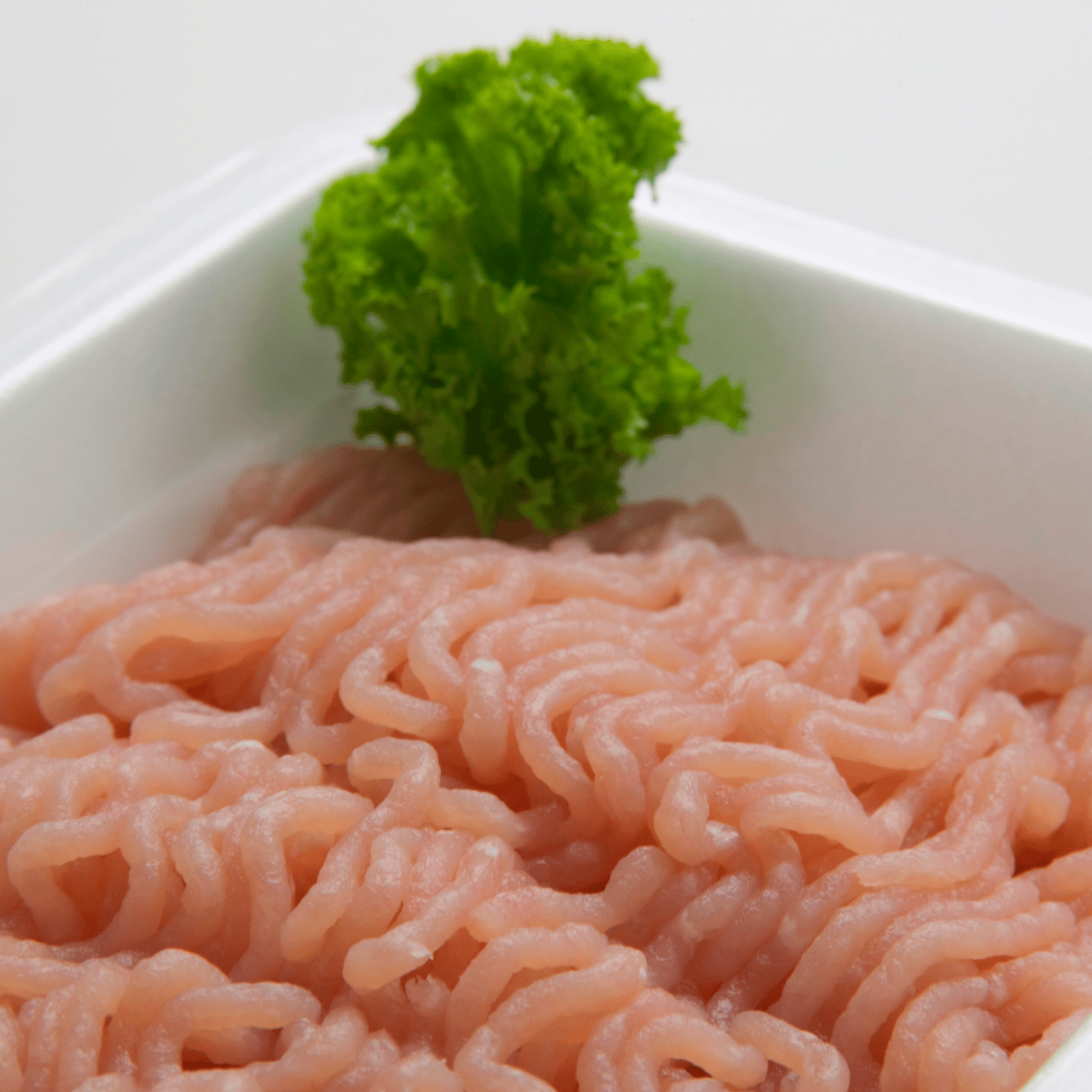
Let’s be real. Turkey mince usually gets a bad rap for being the "sad" alternative to ground beef. You’ve probably seen it sitting there in the grocery store aisle, looking a bit pale and uninspiring, while the marbled ribeye-blends get all the glory. But honestly? You’re probably just cooking it wrong. If you treat it like a cow, it’s going to taste like a mistake. But if you lean into its specific chemistry, recipes using turkey mince can actually outshine your standard chili or burger night. It’s a blank canvas. It’s lean, sure, but that just means it’s a vehicle for whatever bold, punchy flavors you throw at it.
Stop thinking of it as a diet food.
The trick is moisture. Since turkey lacks the heavy saturated fat of 80/20 beef, it dries out if you look at it funny. Experts like J. Kenji López-Alt have often pointed out that poultry proteins behave differently under heat; they contract tightly. To fix this, you need to introduce "insurance" ingredients. Think grated zucchini, finely minced mushrooms, or even a splash of soy sauce to hit those umami notes that turkey naturally lacks.
The Moisture Secret Most People Ignore
If you toss a brick of turkey mince into a dry pan, you’ve already lost. It’ll seize up. It’ll become grainy. Instead, you want to build a base. Start with a classic mirepoix—onions, carrots, celery—but sauté them until they are practically melting. This creates a cushion of moisture. When you finally add the turkey, don't just scramble it into tiny pebbles immediately. Let it sear.
Get some color on it!
Maillard reaction isn't just for steaks. Even though turkey is lower in fat, you can still get those crispy, browned bits that provide deep flavor. Just use a high-smoke-point oil like avocado oil or ghee.
The Ricotta Trick for Meatballs
Most people make turkey meatballs and end up with something resembling a golf ball. It’s rubbery. It’s tough. To get that tender, melt-in-your-mouth texture you find in high-end Italian spots, swap half your breadcrumbs for whole-milk ricotta cheese. It sounds weird, but the fat and moisture in the cheese prevent the turkey proteins from bonding too tightly.
Add plenty of fresh parsley. Maybe some lemon zest. Suddenly, that boring bird is a gourmet meal.
Why Your Turkey Chili Is Boring (And How to Fix It)
Chili is the most common use for turkey mince, yet it’s often the most disappointing. Because turkey is so mild, it gets lost in the beans and tomatoes. You need to double down on the aromatics. We aren't just talking a teaspoon of chili powder here.
Use dried chipotle peppers. Rehydrate them, mash them into a paste, and fry that paste in the oil before the meat even touches the pan. This creates a smoky depth that mimics the richness of beef.
- Use a splash of fish sauce (trust me, it doesn't taste like fish).
- Add a square of dark chocolate at the end.
- Always, always deglaze with something acidic like lime juice or apple cider vinegar.
The acidity cuts through the "gamey" scent some people associate with ground poultry. It brightens everything.
Global Flavors That Actually Suit Turkey
Turkey is a sponge. This makes it the perfect candidate for Southeast Asian or Middle Eastern flavor profiles. Think about Larb—the Laotian meat salad. Traditionally made with pork or chicken, it works incredibly well with turkey mince because the dish relies on lime, fish sauce, chili, and toasted rice powder. The leanness of the meat is actually a benefit here because it allows the brightness of the herbs to stay front and center.
Or try a Turkish-style Kofte.
Mix the mince with heavy amounts of cumin, smoked paprika, and grated garlic. Instead of frying it in a pan, thread it onto skewers and grill it fast over high heat. The char provides the flavor that the fat usually would. Serve it with a cold yogurt tahini sauce. The contrast between the hot, spiced meat and the cool, fatty sauce is exactly what makes recipes using turkey mince feel like a choice rather than a compromise.
Safety and Science: The 165 Degree Rule
We have to talk about safety because turkey isn't beef. You can’t have a "medium-rare" turkey burger. Well, you can, but you really shouldn't. The USDA recommends an internal temperature of 165°F (74°C). The problem? At 166°F, turkey turns into sawdust.
This is where a digital meat thermometer becomes your best friend.
Pull the meat off the heat at 160°F. The "carry-over" cooking will bring it up to that safe 165°F while it rests, keeping the juices inside the meat rather than evaporated into the air. If you’re making a bolognese, let it simmer low and slow. The collagen in the turkey—what little there is—needs time to break down.
Common Misconceptions About Fat Content
People buy turkey mince because they think it’s always healthier. Not necessarily. If you buy "Ground Turkey," it often includes skin and dark meat, meaning the fat content can be similar to lean beef. If you want the ultra-lean stuff, you have to look for "Ground Turkey Breast."
But beware: 99% lean turkey breast is the hardest thing to cook.
It has zero margin for error. If you are using the 99% lean version, you must add a fat source back in. A tablespoon of olive oil or some smashed avocado on top isn't just for flavor; it's for mouthfeel. Without fat, your brain won't register the meal as satisfying, and you'll find yourself raiding the pantry an hour later.
A Note on Texture
Turkey mince is softer than beef. If you're making burgers, they might feel "mushy" when you're forming the patties. Don't panic and add a ton of flour or extra breadcrumbs. Instead, put the formed patties in the fridge for 30 minutes before cooking. The cold helps the proteins and fats (whatever is there) set up, so they don't fall apart on the grill.
Transforming Leftovers into Something New
Don't just reheat your turkey mince stir-fry in the microwave. It'll get tough. Instead, turn it into a filling.
- Taco Night: Toss the leftover mince in a pan with a little water and extra cumin to re-hydrate it.
- Stuffed Peppers: Mix it with cooked quinoa or rice and some feta cheese.
- Breakfast Hash: Fry it up with some sweet potatoes and a runny egg.
The egg yolk acts as a natural sauce, coating the turkey and making it feel indulgent.
Practical Steps for Your Next Meal
Start with the right equipment. A cast-iron skillet is superior for turkey because it holds heat better, allowing for that crucial sear. If you’re just starting out, try a "half and half" approach—mix turkey mince with a little bit of pork mince or spicy sausage. It bridges the gap while you learn how to manage the moisture levels of the turkey.
Always season more aggressively than you think you need to.
Salt the meat about 15 minutes before cooking if you can. This acts as a dry brine, helping the muscle fibers hold onto their water during the cooking process. It’s a small step that makes a massive difference in the final texture.
Stop treating turkey mince like a second-class citizen in your kitchen. Treat it like the versatile, protein-packed powerhouse it is. Once you master the moisture-management and the flavor-layering, you'll realize it’s one of the most hardworking ingredients in your fridge.
Next Steps for Success:
- Check the label: Ensure you know if you're buying a blend or 99% lean breast meat, as this dictates how much extra fat you need to add.
- Prep your "moisture insurance": Grate a zucchini or finely chop 100g of mushrooms to mix directly into the meat before browning.
- Invest in a thermometer: Take the guesswork out of the 165°F safety limit to prevent drying out the protein.
- Layer your acids: Keep lemons, limes, or vinegar on hand to finish the dish; this brightens the mild flavor of the turkey significantly.
- Master the sear: Use a heavy pan and don't crowd it—give the mince space to brown rather than steam in its own juices.