You’ve probably heard the legends. A cramped alleyway where grandmas would grab your arm, shouting prices for North Face jackets while you dodged bicycle deliveries. That was the old Xiushui. If you go looking for that gritty, outdoor chaos today, you're about 20 years too late.
The Xiushui Silk Market Beijing, or "Silk Street" as the signs call it, is now a massive, air-conditioned tower of commerce. It stands right next to the Yong’anli subway station like a glass-and-steel monument to the art of the deal. Honestly, it’s a weird place. It’s part high-end boutique, part counterfeit heaven, and part cultural museum. If you walk in unprepared, you’re basically a walking ATM for the savviest salesclerks in Asia.
The Reality of Shopping at Xiushui Silk Market Beijing Today
Walking into the lobby, it feels like a normal mall. Don't let the shiny floors fool you. Underneath that "New Department Store" vibe, the ancient spirit of haggling is alive and well. It’s a vertical maze.
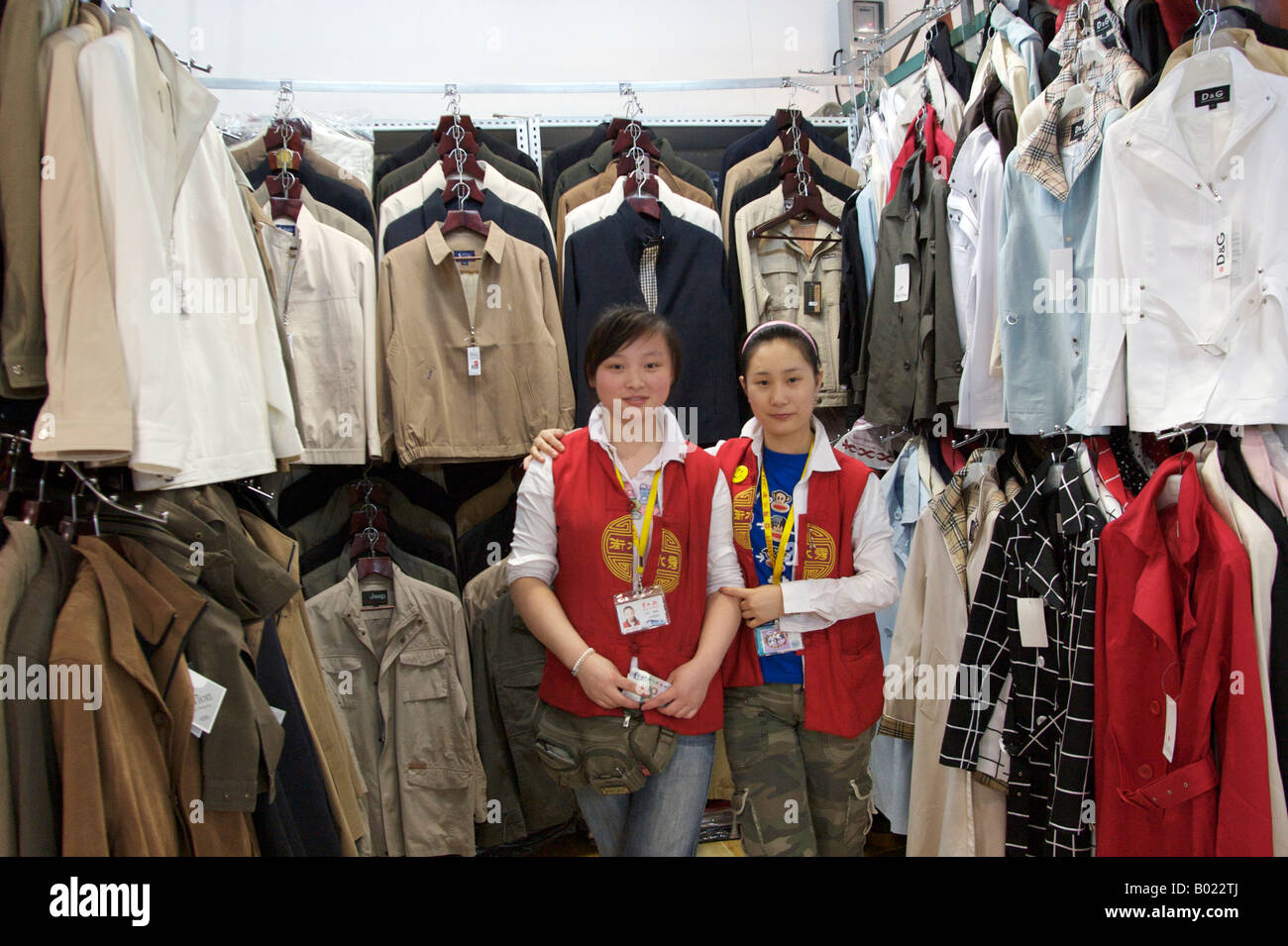
The basement is where the luggage and shoes live. If you need a suitcase because you bought too much stuff—which happens—this is your floor. As you go up, you hit the clothing floors. This is the heart of the beast. You'll see "designer" labels that look suspiciously perfect next to unbranded local stuff.
But the real reason it’s called the silk market is on the third floor. This is where the vibe shifts. You’ve got the Silk Culture Museum and legitimate, time-honored brands like Ruifuxiang. Unlike the knock-off stalls downstairs, these shops are the real deal. They’ve been around since the Qing Dynasty. If you want a custom-tailored qipao or a silk duvet that actually came from a silkworm and not a polyester factory, this is your spot.
How to Not Get Robbed (Metaphorically)
Haggling is a sport here. A contact sport.
Most people make the mistake of being too polite. You see a "silk" scarf. The vendor says 800 RMB. You think, Wow, that’s like 110 bucks, sounds fair for silk. Stop. They are testing you. In the world of Xiushui Silk Market Beijing, the first price is a fairy tale.
- The 10% Rule: Many veteran expats suggest starting your bid at 10% of their asking price. If they say 1,000, you say 100. They will look insulted. They might even call you "crazy." That’s part of the dance.
- The Walk Away: This is your strongest move. If they won't budge, just turn around. If your price was even remotely fair, they will literally chase you down the hall with a calculator.
- The Poker Face: If you love it, don't show it. The second they see that "I must have this" sparkle in your eye, the price floor rises.
Check the quality. Seriously. Zip the zippers. Smell the leather. Look for loose threads. There are different "grades" of replicas here. A "Triple-A" bag is hidden in a back room; the "B-grade" stuff is on the shelves.
What’s Actually Worth Buying?
Honestly, the electronics are a trap. Avoid the "brand name" headphones or power banks. They tend to stop working somewhere over the Pacific on your flight home.
However, the custom tailoring is a hidden gem. You can get a bespoke wool suit made in 24 hours. Is it Savile Row quality? No. Is it better than anything you'll find at a department store for $200? Absolutely.
Pearls and Jewelry are another big draw on the upper floors. Beijing is a hub for freshwater pearls. You can find everything from cheap "fun" jewelry to high-end strands. Just remember that if the price seems too good to be true for a massive "South Sea" pearl, it probably came from a glass factory.
Survival Logistics
- Getting There: Take Subway Line 1 to Yong’anli Station. Follow the signs for Exit A. You don't even have to go outside; a tunnel leads you straight into the basement.
- Timing: It opens around 9:30 AM and shuts down at 9:00 PM. Go on a weekday morning if you hate crowds.
- Payment: In 2026, cash is basically a relic. You need Alipay or WeChat Pay. Most stalls can take international credit cards now, but the "tourist card" fee is real. Digital wallets are smoother.
- Food: If you’re hungry, there’s a Quanjude (the famous roast duck place) in the building. It’s a bit of a tourist trap version of the original, but hey, the duck is still solid.
The Ethical Grey Area
We have to talk about the "F" word. Fakes. The Chinese government has cracked down hard on intellectual property over the last few years. You won't see "Gucci" or "Prada" signs openly displayed as much as you used to. Vendors are more discreet.
Is it legal? Sorta, in a "we look the other way" kind of way. Is it ethical? That’s up to you. But if you’re looking for a cultural experience that captures the high-speed, high-pressure energy of Chinese commerce, this is it.
Actionable Next Steps
- Download Alipay: Set up your international card before you arrive. The "TourPass" feature is a lifesaver.
- Set a Budget: Decide what a "souvenir" is worth to you in your home currency. If you'd pay $20 for a shirt at home, don't pay $50 here just because the vendor is charming.
- Learn Three Words: Tai guile (Too expensive), Bu yao (Don't want it), and Xiexie (Thanks).
- Check the Museum: Don't just shop. Spend 20 minutes on the 3rd floor at the Silk Museum. It actually helps you understand why the high-quality stuff costs more.
The Xiushui Silk Market Beijing isn't just a place to buy stuff. It's a performance. You aren't just a customer; you're a participant in a centuries-old tradition of trade. Play the game, stay polite, and don't take it too seriously. You’ll probably walk out with a "silk" tie and a story about the woman who called you her "best friend" while trying to charge you 500% markup. That's the real Beijing experience.